Friday, September 13, 2019

Researching The Founders: Gloria Grow

At this point in my career, I've visited just about every reputable primate sanctuary in North America, but there was one I hadn't been to: Fauna Foundation. Fauna Foundation is in Quebec and was the first to accept HIV-positive laboratory chimpanzees in the late '90's. They also care for a number of chimpanzees retired from sign language studies, as well as some monkeys and various farm animals.


I had to go to the sanctuary for a work meeting this month, so I was more than happy when Gloria Grow, its founder and director, agreed to meet with me the following day so I could interview her.


The sanctuary is lovely - a true paradise with expansive views and pastoral settings.


I think the most memorable moment was seeing chimpanzees using sign language to communicate with caregivers. In this case, it was chimpanzee Tatu asking for an apple, and then signing "cool" when she was able to enjoy her apple. I knew chimpanzees were capable of this, of course, but seeing it with my own two eyes was something else.


I'm so grateful to not only spend time in these places, but to promote their work and lifesaving missions. If everyone lived like The Founders, the world would be a better place.


Thursday, August 29, 2019

Letter published in The Laurinburg Express

This week, I was horrified to come across an August article in North Carolina's The Laurinburg Express that highlighted the work of a facility that deemed itself a sanctuary - but that promoted the private ownership of monkeys. Photos accompanying the article featured monkeys dressed in human clothing and being paraded out for photoshoots and events in public areas.

My work on behalf of the North American Primate Sanctuary Alliance is often focused on the differences between accredited, reputable sanctuaries and other facilities (often called pseudo-sanctuaries) who may call themselves a sanctuary while engaging in exploitive activities. It is important to publicly correct misleading information on this topic, because it's the only way to ensure that true sanctuaries can be recognized and supported for their important and lifesaving work.

Fully aware that many members of the general public don't recognize these distinctions, I dashed off a letter to the editor of the paper. It was published within a few days, and I am grateful that the paper did not edit my letter down, even though it was over the allotted word count. Read my letter here.


Monday, August 5, 2019

Researching The Founders: Shirley McGreal

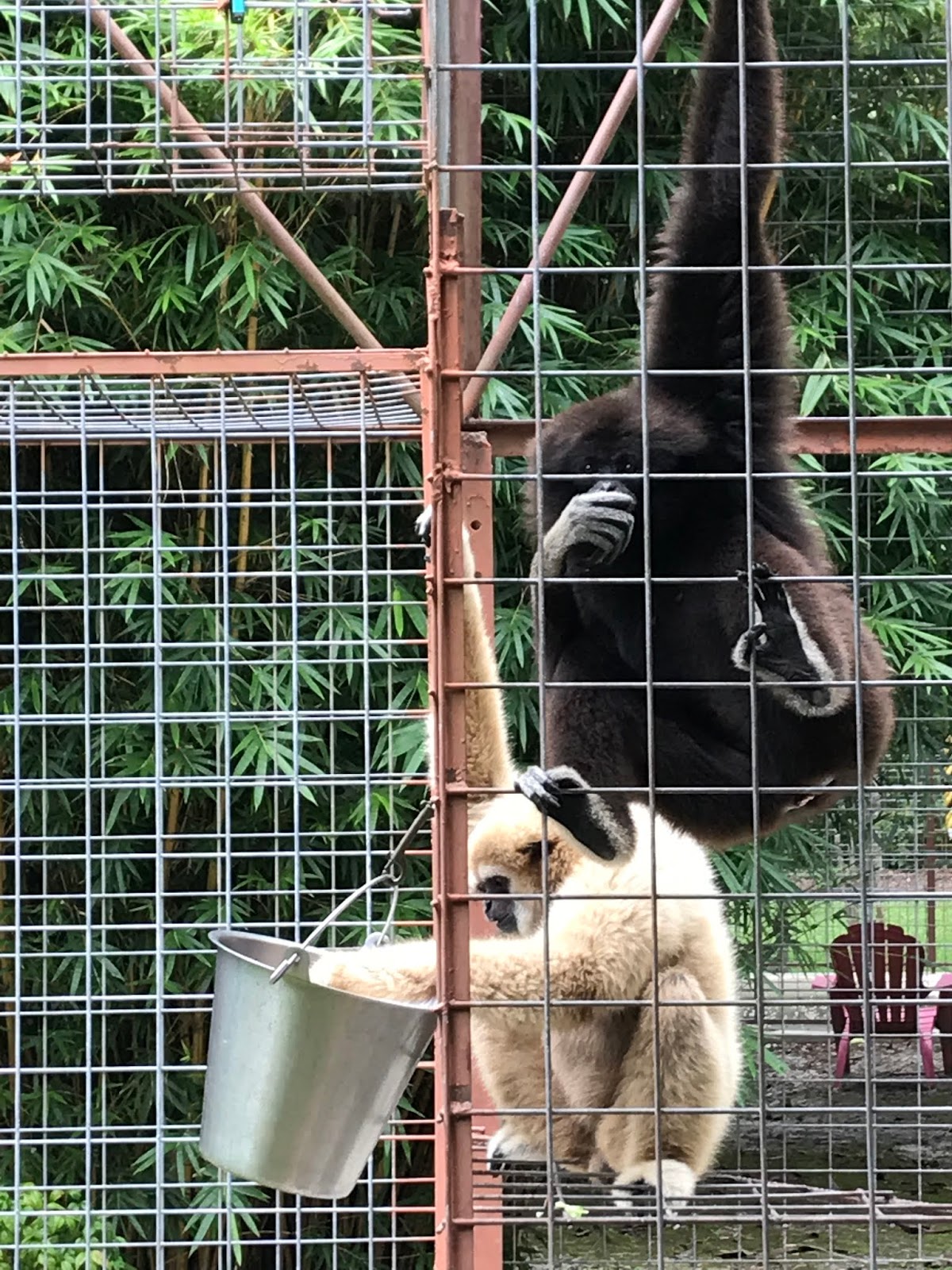
The fourth trip I took to research and interview sanctuary founders for my new book was to South Carolina. There, nestled in an unassuming and leafy green suburb, is the International Primate Protection League (IPPL) - one of the very first primate sanctuaries in North America.


It was lovely to live on-site with Dr. Shirley McGreal, the sanctuary's founder, and spend a few days with her. We took many slow strolls around the sanctuary grounds, accompanied always by the gentle hoots of her 34 gibbons.


There was so much history there, and Shirley was a wealth of information about her many decades with the sanctuary.


I had never been to IPPL. I'm so glad I was able to visit finally experience it.


Dr. McGreal is a legend in not only the primate sanctuary community, but in animal rights as well. Her work spans the globe and will continue to influence generations of primate protectors to come.


Thank you to the New England Anti-Vivisection Society for their generous support of The Founders!